Summary : Traffic alone is no longer enough to drive business growth. A recent client example from SocioSquares shows that it is possible to increase qualified leads by 26 percent without increasing your website traffic at all. Rather than focusing on more visitors, the team shifted to targeting buyer intent, refining conversion paths, and aligning messaging with what prospects were ready to do. For small and local businesses, this means real growth may come not from chasing traffic but from making the traffic you already have work harder for your bottom line.
Most marketers still think that more traffic equals more leads. For decades the assumption has been that increasing visits will automatically boost conversions. But that logic is being challenged today.
A recent case study shared by SocioSquares reveals an important shift in performance marketing. In their work with Bartlett Blinds, a local window treatments provider, they were able to grow qualified leads by 26 percent without growing overall site traffic. Instead of chasing visitors, the focus shifted to improving conversions from the traffic that already existed.
At Passionate Marketers we believe this example holds valuable lessons for any business that relies on digital channels for lead generation. Below is a breakdown of what happened and how you can use similar principles to generate better results without spending more on traffic acquisition.
Why Traffic Alone Is Not Enough
For years traffic has been used as a growth metric. More sessions, more visitors, more clicks. But in 2026 that approach is weakening.
Traffic is a sign of visibility, not demand. A visitor can arrive out of curiosity or research and never take action. What matters more is how well your site and messaging convert intent into candidacy.
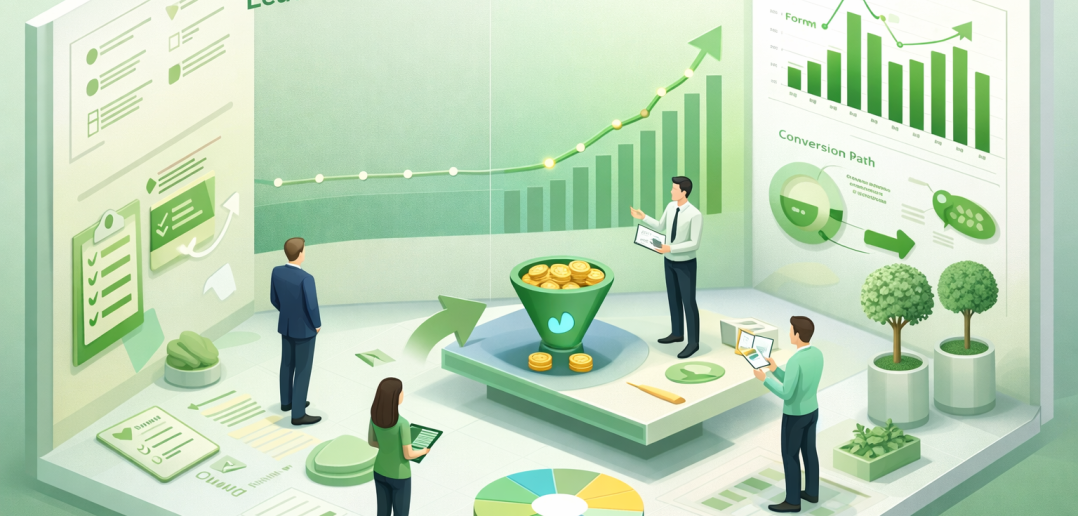
In the Bartlett Blinds case, the total number of visitors did not increase. The change came from improving conversion performance within the same traffic pool. By focusing on intent, messaging, and experience, the team unlocked real growth without needing more clicks.
This story underscores a fundamental truth:
Visitors are not all created equal. The key is converting the right visitors, not just attracting more of them.
Putting Conversion Experience First
One of the core shifts in this strategy was rethinking how visitors are guided once they arrive. SocioSquares identified that many of Bartlett Blinds’ visitors were already close to making a decision, but the experience did not clearly direct them toward action.
Successful lead generation in 2026 requires:
- Clear and simplified paths to action
- Messaging aligned with buyer intent
- Reducing friction between arrival and inquiry
When pages are designed around what users want to do next rather than what brands want to tell them, conversion rates lift naturally.
This could be as simple as revising calls to action, clarifying next steps, or making forms easier to complete. Small changes in structure and messaging can unlock lead growth without increasing traffic.
Intent-Driven Keyword Approach
Another important change was the way keywords were prioritized. Rather than focusing on generic visibility terms, the campaign emphasized keywords that signal purchase or inquiry intent.
Consider the difference between these two phrases:
- “Window treatment ideas”
- “Custom blinds installation near me”
The first suggests research and curiosity. The second suggests decision and action.
By aligning content and SEO efforts with terms closer to buyer intent, Bartlett Blinds attracted traffic that was more likely to convert. This principle applies across industries. Understanding what prospective customers are actually trying to achieve when they search helps shape more effective landing experiences.
Messaging That Matches User Goals
Once the intent was understood, the next step was aligning messaging to user needs. Many businesses make the mistake of focusing on brand or features instead of customer goals.
The revised approach for Bartlett Blinds centered on:
- What the visitor is trying to solve
- Why the brand is a good choice
- How easy it is to take the next step
This user-centric language resonated better with visitors who were already inclined to take action. Improved messaging tends to increase conversion even without changes in traffic volume.
This highlights a broader lesson: clarity, relevance, and trust in messaging are as important as visibility.
Convert Before You Scale
A common pattern in marketing is to chase scale before stability. Teams increase spend to bring more visitors, hoping a constant conversion rate will produce more leads. But that is growth by volume rather than growth by strategy.
The Bartlett Blinds result shows that stabilizing and improving conversion performance first can yield better results than scaling traffic first. When conversion is improved, every existing visitor becomes more valuable.
For businesses with limited budgets, this approach can be more cost effective. Instead of paying more for traffic that may not convert, invest in making the existing traffic more productive.
What This Means for Your Business
If your traffic numbers feel stuck or your lead growth is slow despite investment in visibility, here are steps you can take:
1. Understand Visitor Intent
Audit your incoming traffic. What are users trying to achieve? Are they information seekers, or are they closer to a buying decision?
2. Align Keywords With Intent
Prioritize terms that suggest commercial or transactional intent. These often convert at higher rates.
3. Review Conversion Paths
Look at every step from arrival to conversion. Remove friction, clarify choices, and make calls to action obvious.
4. Improve Messaging
Match page language with what users care about most at each stage of their journey.
5. Measure Real Outcomes
Track qualified leads and outcomes that matter to your business, not just sessions and clicks.
These changes do not require more traffic. They require better alignment between user intent, messaging, and conversion experience.
A Broader Lesson for 2026
This case study also reflects larger trends in search and marketing today. In an era where AI-driven results and instant answers reduce the value of generic traffic, focusing purely on visits is no longer a sustainable strategy. Modern channels reward relevance and conversion readiness.
When you optimize for outcomes instead of raw traffic, you begin to see performance differently. Metrics like qualified lead growth, inquiry quality, and conversion efficiency become more meaningful than session counts.
The Bartlett Blinds example shows that smart strategy can unlock growth even when traffic remains flat. That is a lesson every marketer should take to heart.
Read the Full Case Study
For the complete breakdown of strategy, data, and insights from this campaign, read the original SocioSquares write-up here: https://tinyurl.com/3mxrucr2